Long before modern boundaries, the Everglades region was home to Indigenous peoples like the Calusa, Tequesta, and later the Seminole. These cultures adapted to the wetland environment, traveling by dugout canoe, harvesting fish and shellfish, and constructing shell mounds that still exist today. Their deep connection to the water defined their way of life.
The History of the Everglades: From untamed wilderness to national treasure
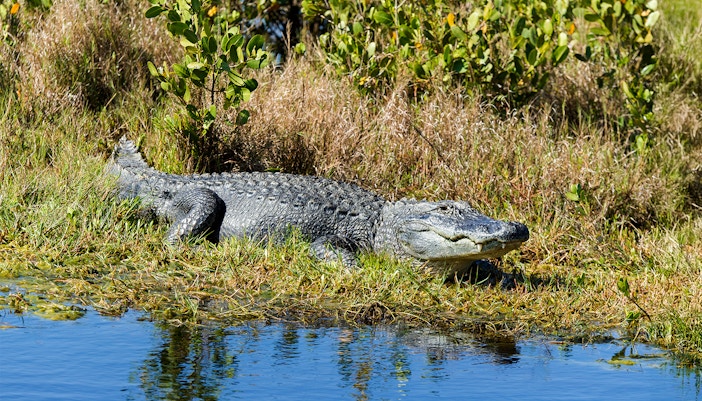
The Everglades is a world where water moves like slow glass and alligators rule the marsh. Before it became a symbol of America’s natural wonders, this vast wetland in South Florida saw centuries of change, conflict, and conservation. Its story is as winding as the rivers that run through it, and just as essential.
Everglades: A timeline
- Prehistoric times: Indigenous peoples begin settling in the Everglades region.
- 1513: Ponce de León lands in Florida and European contact begins.
- 1800s: Seminole Wars displace Native tribes and Everglades become a battleground.
- 1880s–1920s: Drainage projects begin and the wetlands converted to farmland.
- 1947: Everglades National Park is established.
- 1979: Declared a UNESCO World Heritage Site.
- 1983: Massive restoration efforts begin under the “Save Our Everglades” campaign.
- 2000: Comprehensive Everglades Restoration Plan (CERP) launched.
- 2016: Everglades added to UNESCO’s “World Heritage in Danger” list because of environmental threats like water flow disruption.
- Today: Ongoing restoration projects aim to revive this endangered ecosystem.
The story of the Everglades

Ancient origins
The arrival of settlers (1500s–1800s)
Spanish explorers arrived in the 1500s, bringing disease and upheaval. By the 1800s, as US expansion pushed into Florida, the Everglades became a key battleground during the Seminole Wars (1816–1858). The Seminoles used the swampy terrain to resist forced removal, making the region one of the last refuges of Indigenous resistance in the Eastern US.
Drain and conquer (1880s–1930s)
From the 1880s onward, the Everglades was viewed as a wasteland to be "improved." Canals and levees were constructed to drain the wetlands for sugarcane fields, cattle ranches, and settlements. These changes devastated the ecosystem, rerouting natural water flows and causing widespread habitat loss.
A shift toward preservation (1940s–1970s)
Conservationists, especially Marjory Stoneman Douglas, helped change public perception with her landmark 1947 book The Everglades: River of Grass. That same year, Everglades National Park was created, the first national park in the US established primarily to protect an ecosystem. However, it preserved only about 20% of the original Everglades.
A struggle to restore (1980s–Today)
Since the 1980s, large-scale efforts like CERP have aimed to reverse decades of ecological damage. The goals: restore natural water flow, reduce pollution, and protect endangered species like the Florida panther and manatee. Yet the Everglades still faces mounting threats from climate change, invasive species, and urban expansion.
The Everglades today: A living, breathing legacy
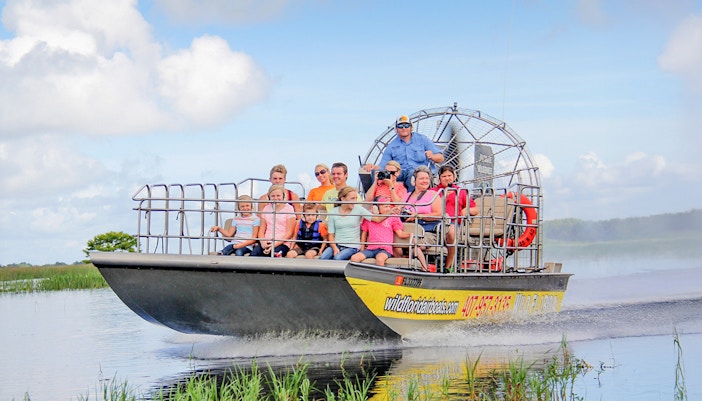
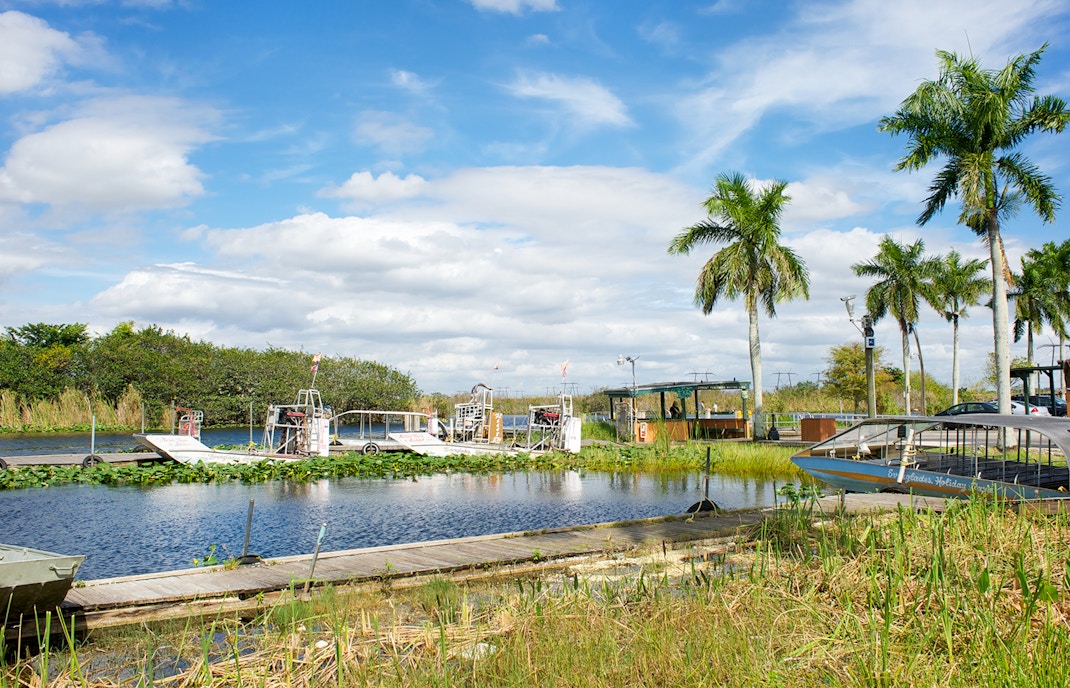
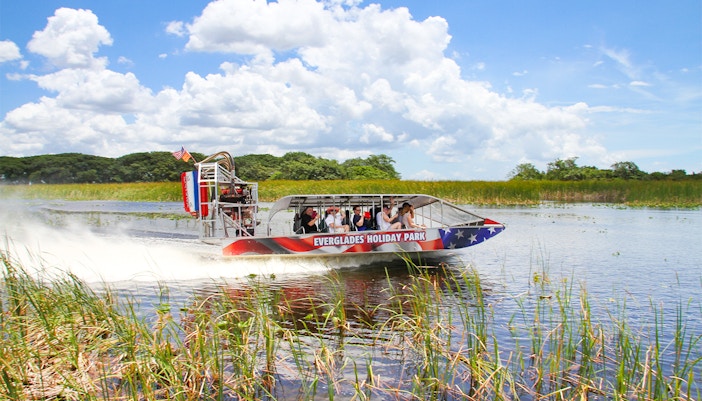
Today, the Everglades is the largest subtropical wilderness in the US and the only place on Earth where alligators and crocodiles coexist. It's a UNESCO World Heritage Site, an International Biosphere Reserve, and a wetland of global importance. Managed by the National Park Service and sustained by global conservation efforts, it welcomes visitors from around the world. Whether you hike, paddle, or soar across it on an airboat, every visit is a journey through time.
Frequently asked questions about the history of the Everglades
Indigenous groups like the Calusa, Tequesta, and later the Seminole tribes lived in and around the Everglades for thousands of years.
In the late 1800s and early 1900s, people saw the wetlands as wasteland. Drainage projects aimed to convert the land into farmland and support growing cities.
Everglades National Park was officially established on December 6, 1947, thanks to advocacy from environmentalists and politicians.
The Everglades is not only ecologically unique, but also rich in Indigenous, colonial, and environmental history. It reflects America’s changing relationship with nature—from exploitation to protection.
Between 1816 and 1858, the US fought a series of wars to forcibly remove the Seminole people from Florida. The Everglades served as a natural stronghold for resistance.
Yes. The Everglades remains on UNESCO’s "World Heritage in Danger" list due to water mismanagement, pollution, and invasive species.
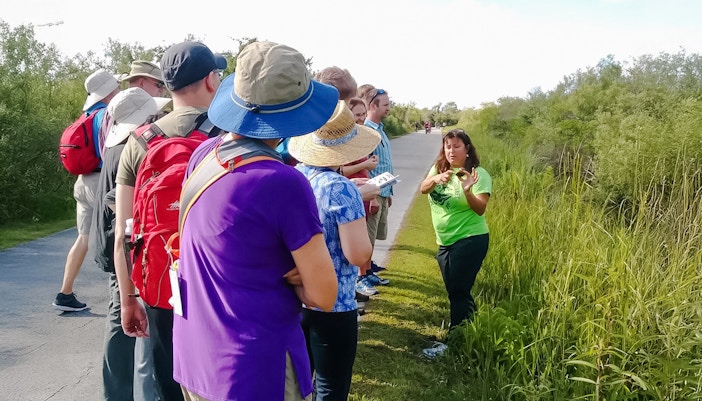
Yes. Several spots within the park preserve traces of Indigenous life, early settlements, and the history of conservation, look for shell mounds, old canals, and ranger-led history walks.