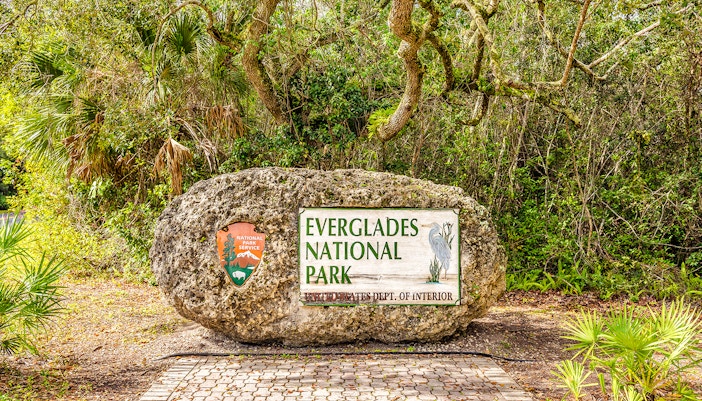
Explore the Everglades ecosystem: habitats, wildlife & best seasons

The Everglades ecosystem is one of the most remarkable natural landscapes in North America. Often described as a “River of Grass,” it stretches from Lake Okeechobee all the way to Florida Bay, creating a vast mosaic of wetlands, forests, and estuaries. Water moves slowly across the land, at about a foot per minute, and this gentle flow shapes everything from the plants that grow here to the animals that thrive in these subtropical wetlands.

Quick facts

  • Official name: Everglades National Park (core protected area within the larger Everglades ecosystem)
  • Location: Southern Florida, USA
  • Ecosystem size: Nearly 1.5 million acres within the national park; part of a much larger regional watershed
  • Landscape type: Subtropical wetlands made up of marshes, mangroves, cypress swamps, coastal estuaries, and hardwood hammocks
  • Major habitats: Sawgrass marshes, mangrove forests, cypress domes, sloughs, and tropical hardwood hammocks
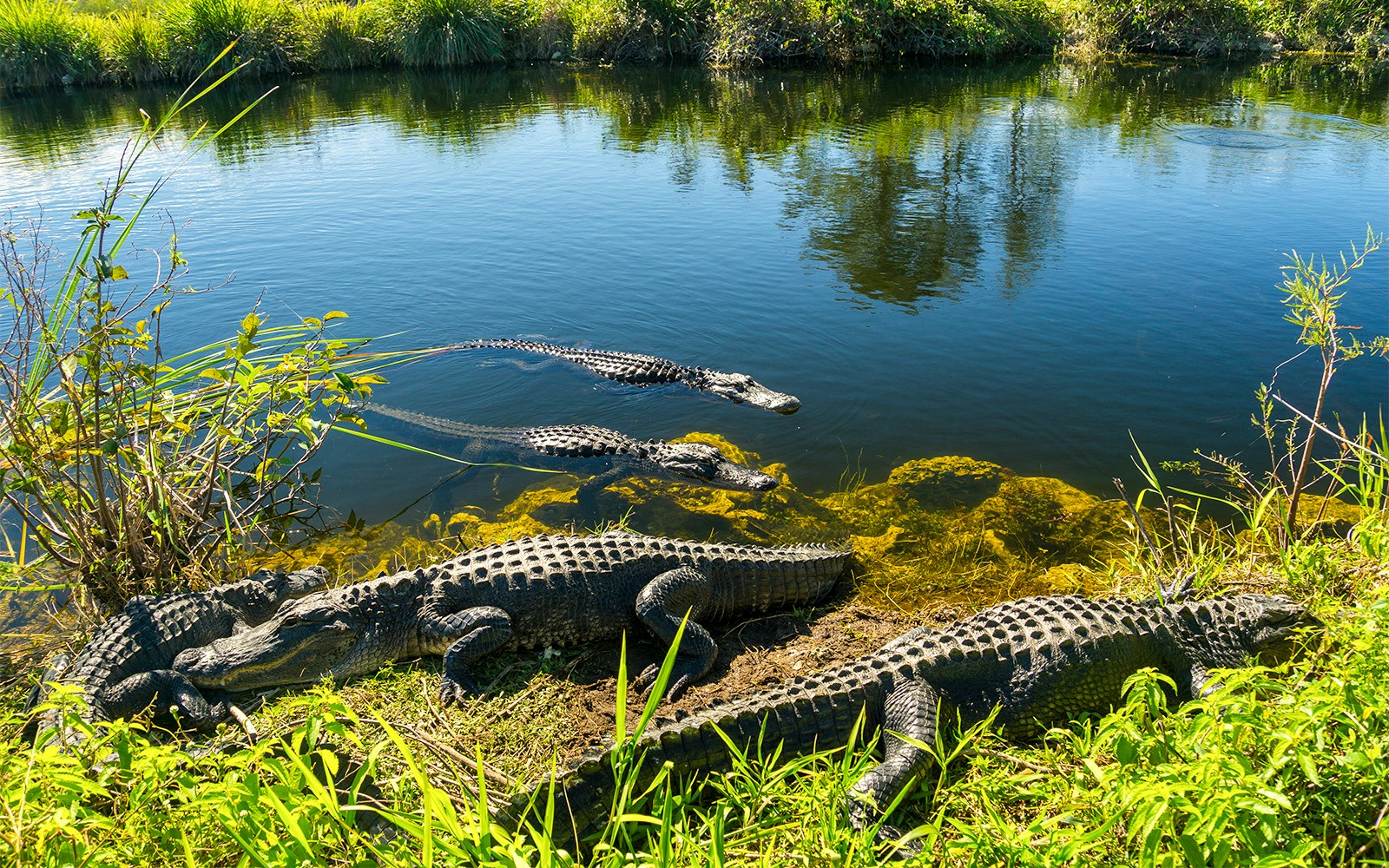
  • Wildlife highlights: American alligators, American crocodiles, manatees, Florida panthers, turtles, wading birds, and freshwater fish
  • Visitors per year: Around 1 million people visit Everglades National Park annually
  • Best time to visit: The dry season from December to April offers the clearest wildlife viewing and the most comfortable weather
  • Ideal for: Nature lovers, wildlife enthusiasts, photographers, families, and travelers interested in Florida’s natural landscapes

What makes the Everglades ecosystem unique
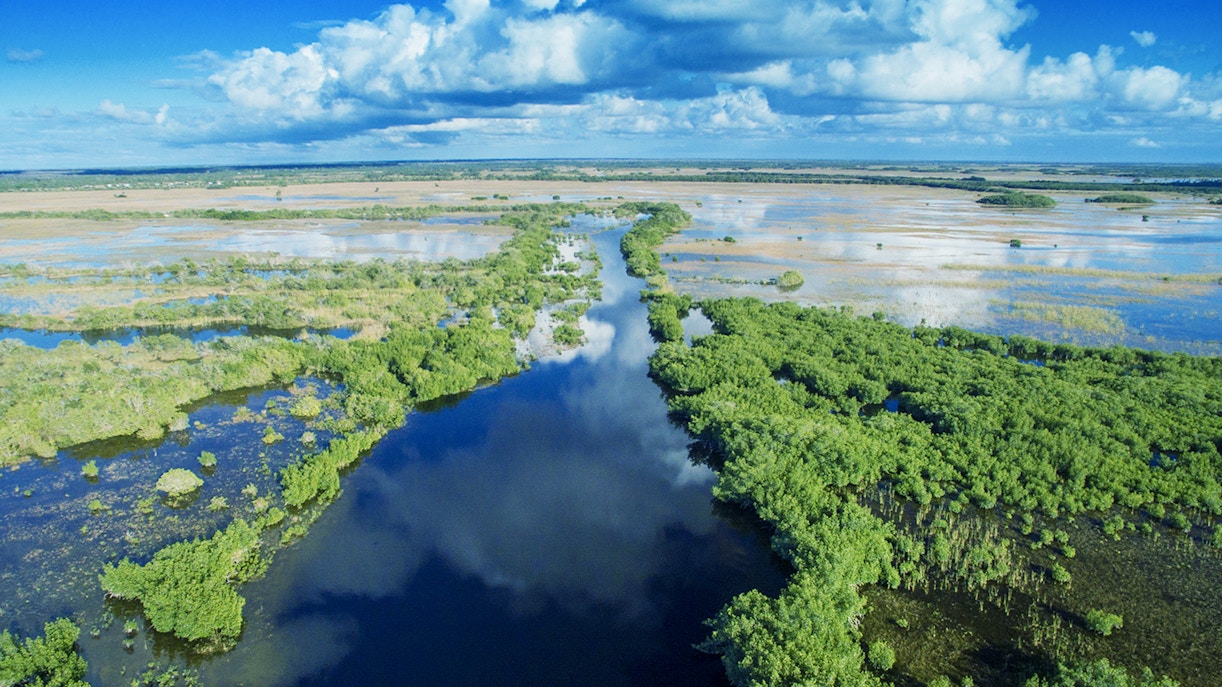
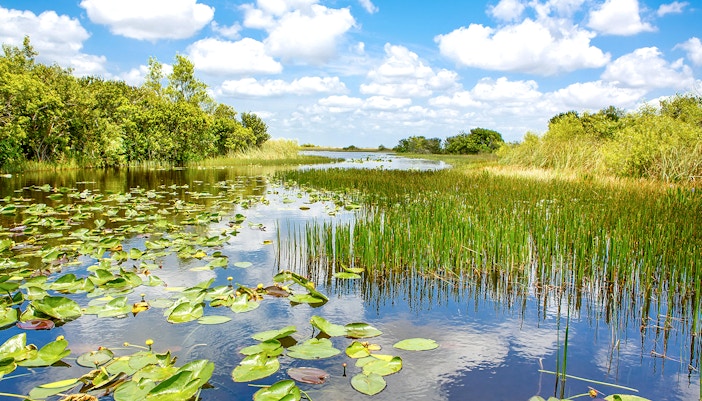
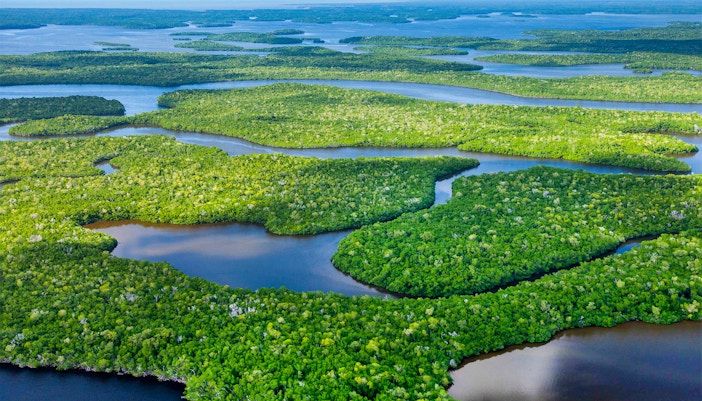
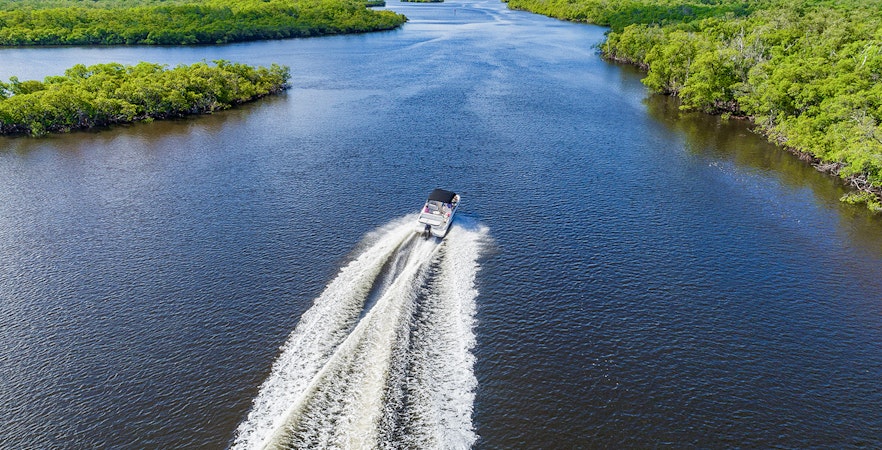
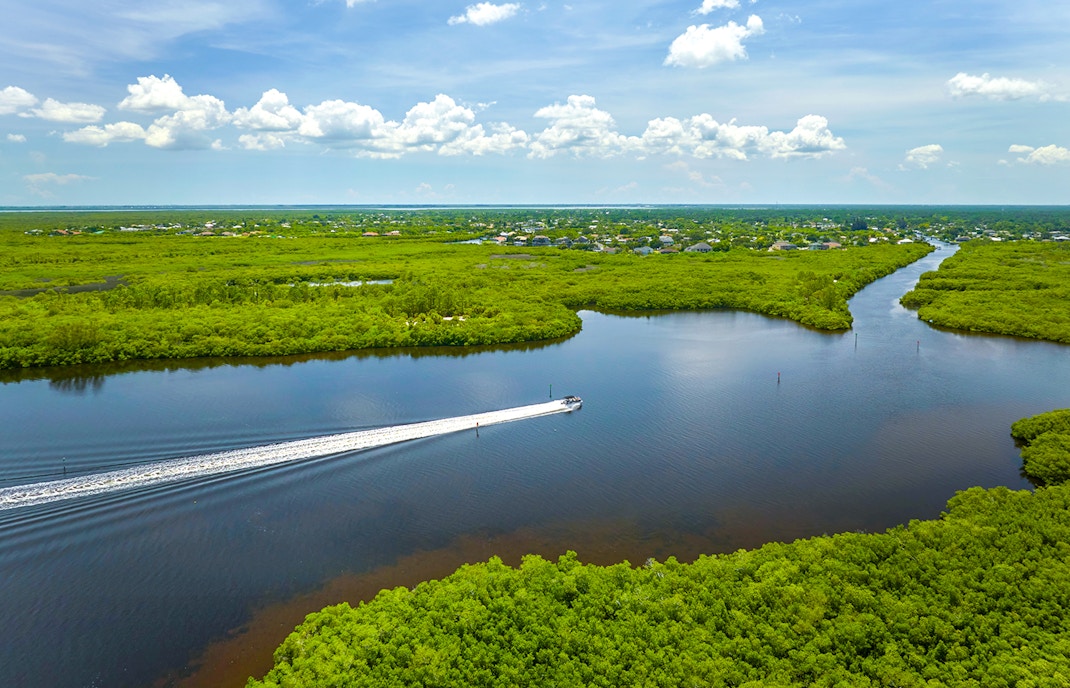
Everglades aerial view with waterways and lush greenery, Miami airboat tour.
  • A single sheet of shallow water connects nearly every habitat in the Everglades. Instead of fast-flowing rivers or deep lakes, most of the region is formed by broad wetlands fed by seasonal rainfall. 
  • Summers bring heavy rain, higher water levels, and lush greenery. 
  • Winters are drier, and wildlife tends to concentrate in deeper sloughs, making animals easier to spot.
  • Another defining feature is its biodiversity. The Everglades supports tropical species from the Caribbean, temperate species from North America, and some animals found nowhere else in the United States.

Habitats that define the Everglades

Sawgrass marshes

Vast freshwater prairies shaped by slow-moving water, filled with sawgrass, fish, amphibians, and wading birds that depend on these open wetlands for feeding and nesting.

Features:

  • Seasonal flooding keeps water moving and supports fish, reptiles, and wading birds.
  • Open marsh edges give predators like alligators clear hunting paths.
  • Flowing water and thick sawgrass naturally filter nutrients.

Mangrove forests

Dense coastal forests made of red, black, and white mangroves, creating shelter for young fish, coastal birds, and marine wildlife while protecting shorelines from storms and tides.

Features:

  • Tangled roots create safe nurseries for fish, crabs, and coastal birds.
  • Dense canopies reduce storm impact and protect shorelines.
  • Root systems trap sediment and help stabilize the coast.

Cypress domes

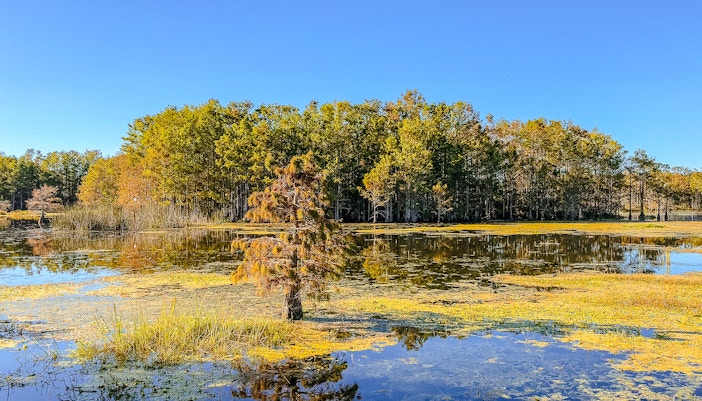
Circular stands of cypress trees growing in deeper interior pools, offering cooler, shaded pockets where owls, frogs, and small mammals find reliable refuge year-round.

Features:

  • Deeper center pools shelter fish, turtles, and amphibians.
  • Dome-shaped growth creates balanced sun and shade.
  • Dry outer edges offer easy feeding and nesting spots.

Hardwood hammocks

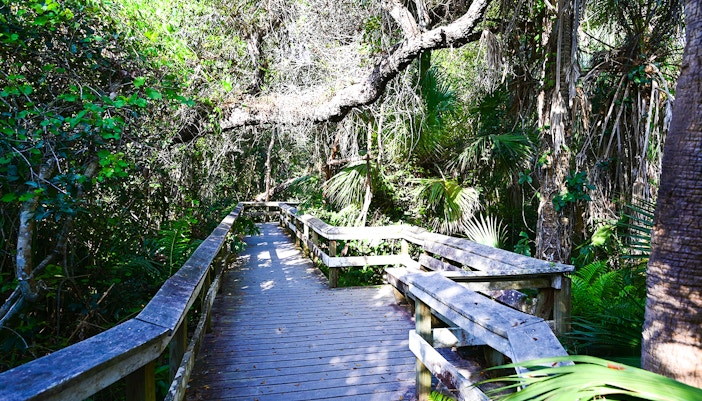
Slightly elevated islands that stay dry during seasonal flooding, supporting tropical hardwood trees and providing habitat for mammals like bobcats, deer, and occasional panthers.

Features:

  • Shaded, elevated ground attracts birds, mammals, and reptiles.
  • Stable soil supports rare plants like orchids and ferns.
  • Distinct plant communities boost biodiversity.

Freshwater sloughs

Gently flowing channels that carry much of the Everglades’ water, forming deeper aquatic corridors where fish, turtles, and birds gather throughout the dry and wet seasons.

Features:

  • Slow-moving water creates stable paths for fish, turtles, and wading birds.
  • Deeper channels stay wet year-round, even in the dry season.
  • Clear flow helps move nutrients across the Everglades.

Coastal estuaries

Rich transition zones where freshwater meets the Gulf and Florida Bay, home to manatees, dolphins, seagrass meadows, and a wide mix of salt-tolerant marine species.

Features:

  • Mixing waters support manatees, dolphins, and shorebirds.
  • Seagrass meadows offer shelter for young marine life.
  • Salt-tolerant plants help protect shorelines from erosion.

Wildlife that calls the Everglades home

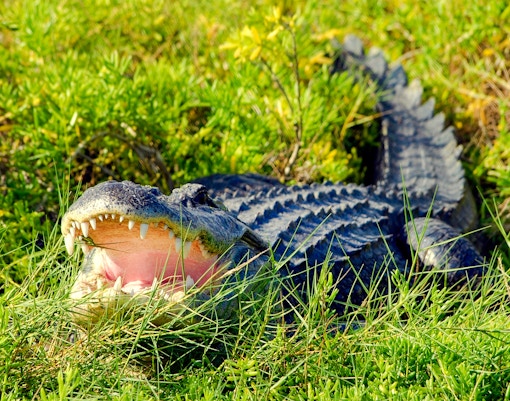
American alligator

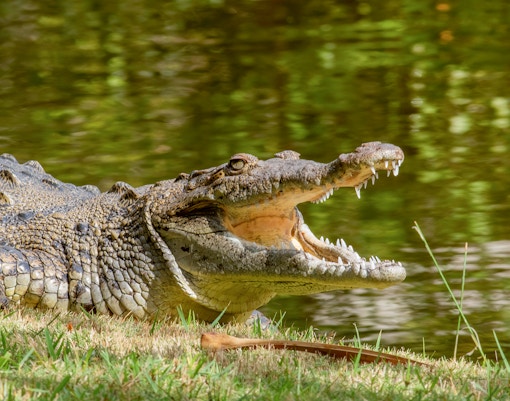
American crocodile

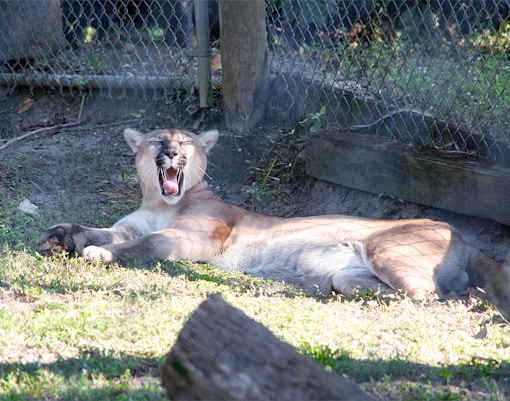
Florida panther

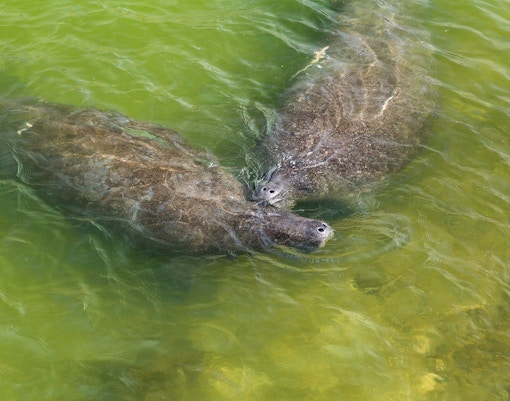
West Indian manatee

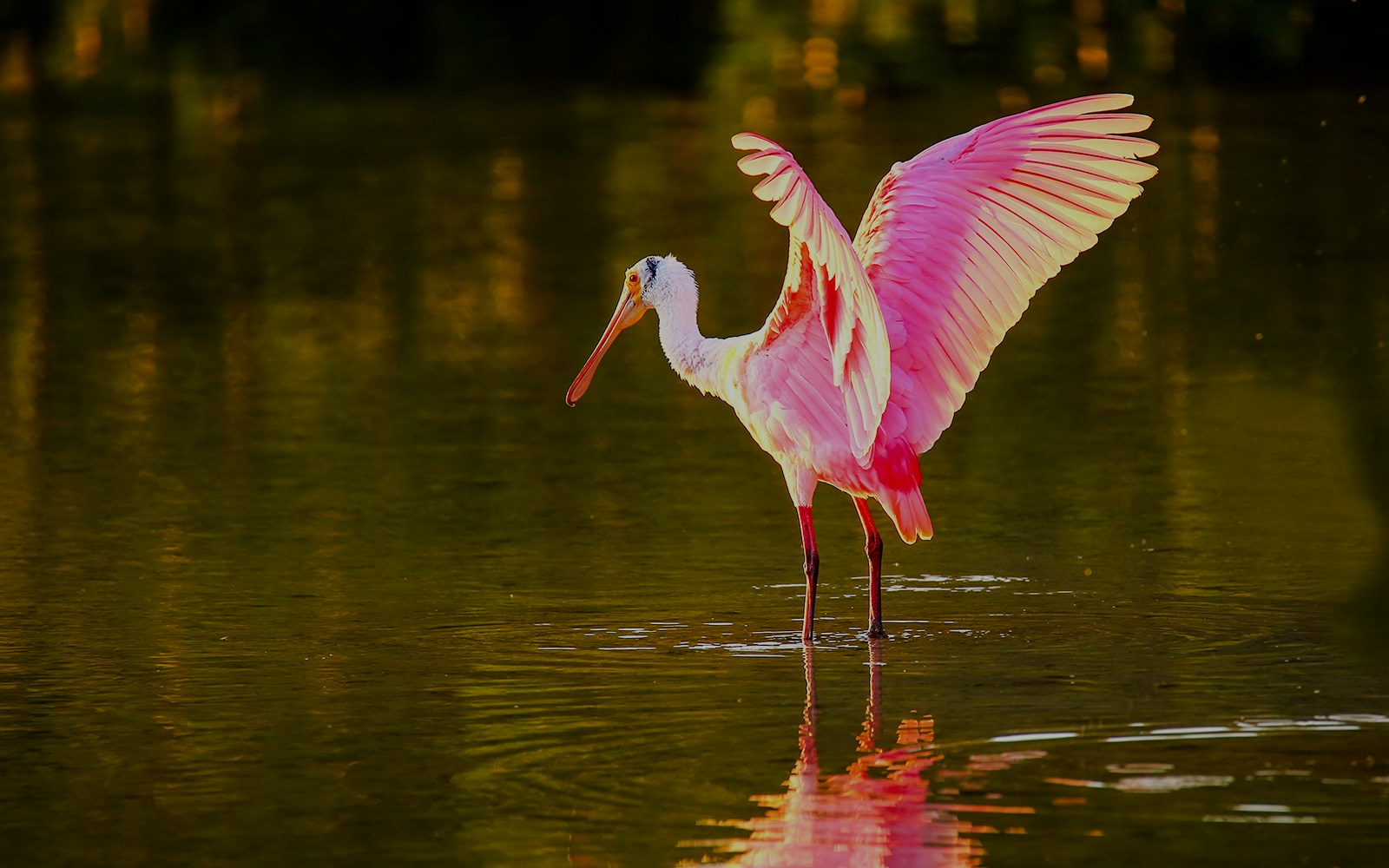
Roseate spoonbill

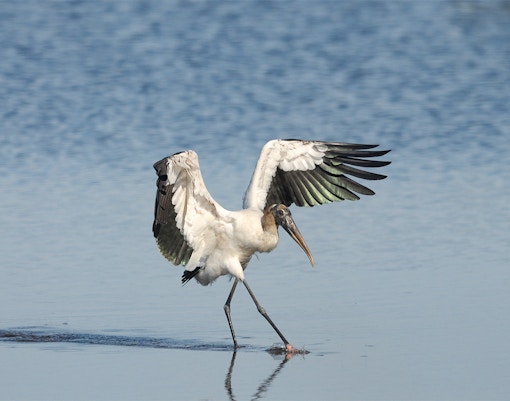
Wood stork

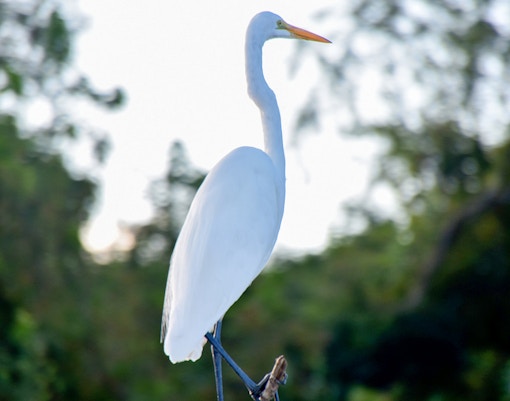
Great egret

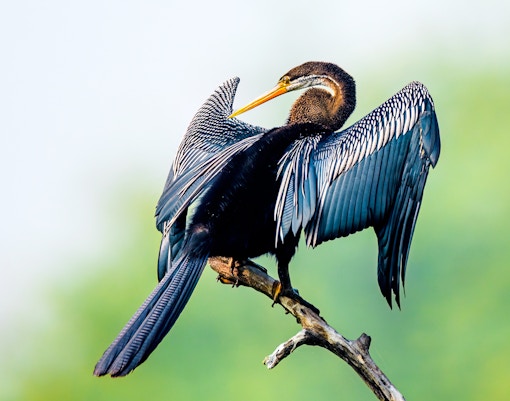
Anhinga

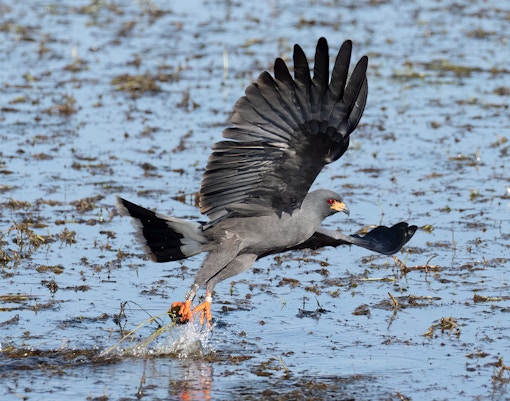
Snail kite

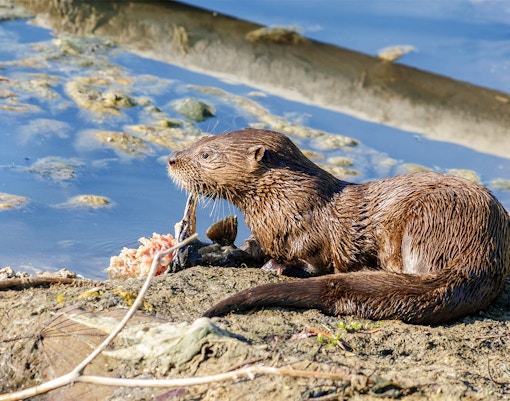
River otter

Why the Everglades ecosystem matters

  • Supports South Florida’s water supply: The Everglades naturally filters and cleans freshwater before it reaches the aquifer. Nearly eight million Floridians depend on this watershed for drinking water.
  • Protects communities from extreme weather: Wetlands absorb excess rainfall and help reduce flooding during heavy storms. Coastal marshes and mangroves lessen storm-surge impacts along South Florida’s coast.
  • Sustains remarkable biodiversity: The ecosystem provides habitat for hundreds of native species, including endangered wildlife. Distinct habitats like marshes, sloughs, hammocks, and estuaries, support plants and animals found nowhere else in the US.
  • Relies on ongoing conservation efforts: Restoration projects work to reestablish natural water flow throughout the wetlands. Management programs help control invasive species and protect fragile habitats.
Did you know?

The Everglades is the only place on Earth where alligators and crocodiles live side by side in the same ecosystem, thanks to its unique mix of freshwater and saltwater habitats.

Everglades map and how the ecosystem fits together

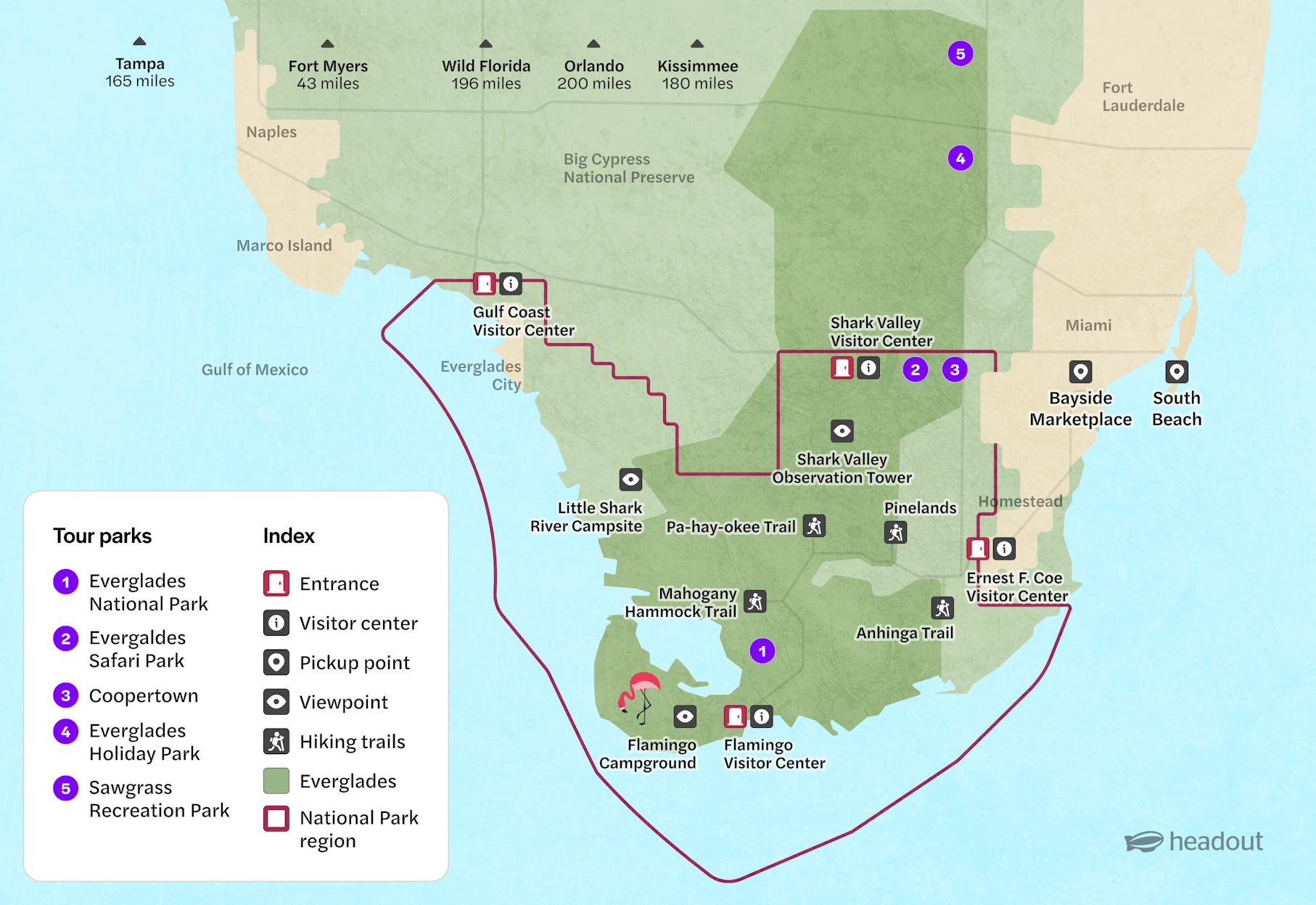
This map gives you a simple look at where the major visitor centers, trails, and tour hubs sit across the Everglades. Each spot offers a different way to experience the landscape, from wide-open marsh views in Shark Valley to coastal waterways near Flamingo and the Gulf Coast. Use it to get your bearings and choose the areas that match the kind of Everglades adventure you want.

Everglades Map

Get a detailed view of the map here >

Best times to experience the Everglades ecosystem

Dry season (December–April)

Cooler temperatures, lower humidity, and fewer mosquitoes make this the most popular time to visit. Wildlife is easier to spot because animals gather around deeper water.

Highlights:

  • Cooler, comfortable weather around 15–25°C/59–77°F
  • Wildlife gathers near remaining water, making animals easier to spot.
  • Lower humidity and fewer mosquitoes keep conditions pleasant.

Wet season (May–November)

Summer rains create greener landscapes, fuller marshes, and dramatic cloud formations. Although wildlife spreads out more, the wetlands look vibrant and alive.

Highlights:

  • Hot, humid weather around 27–33°C/80–91°F
  • Afternoon showers and storms refill marshes and create lush scenery.
  • Mosquito activity increases, and wildlife spreads out across the wetlands.

What you’ll see on an Everglades tour

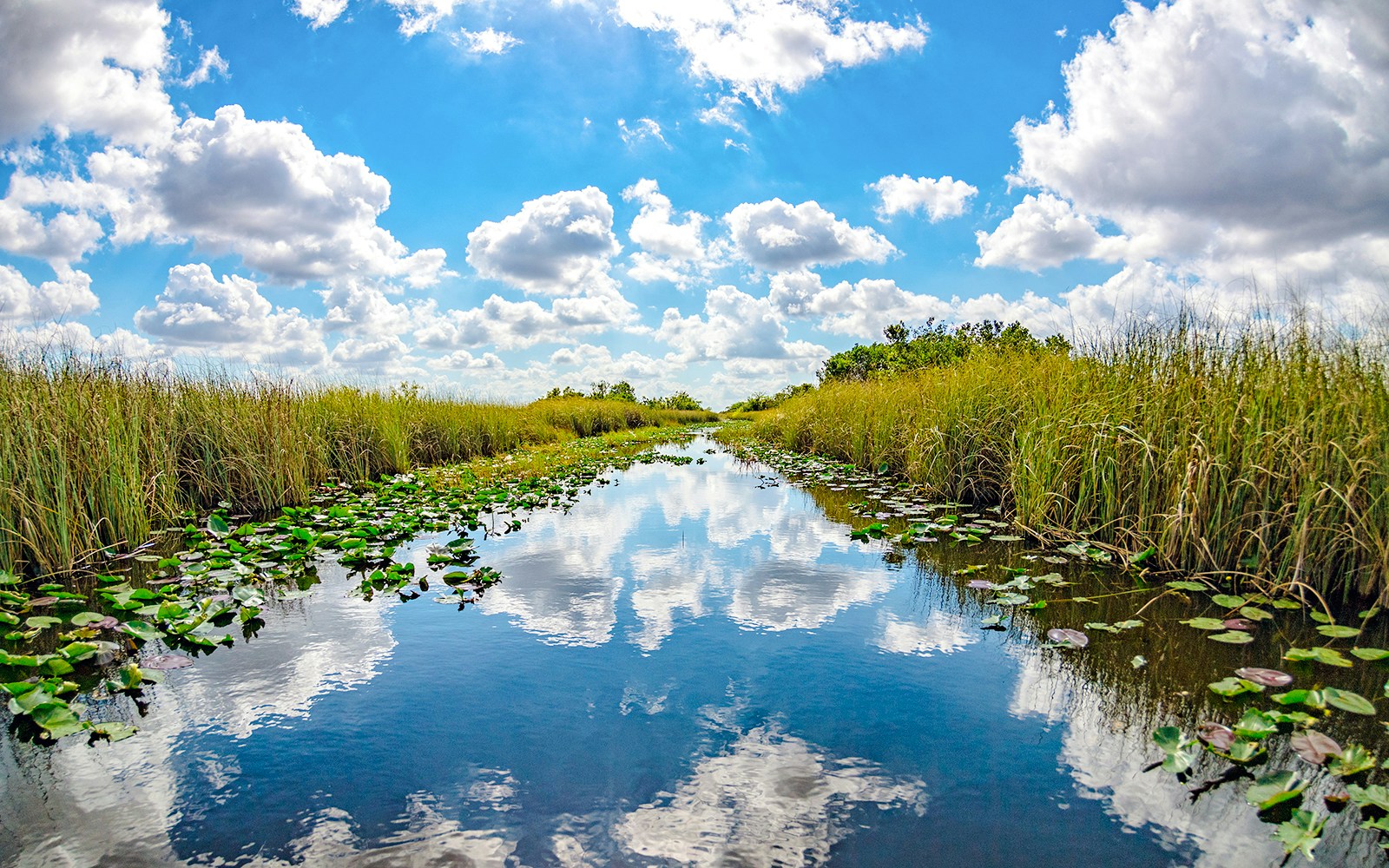
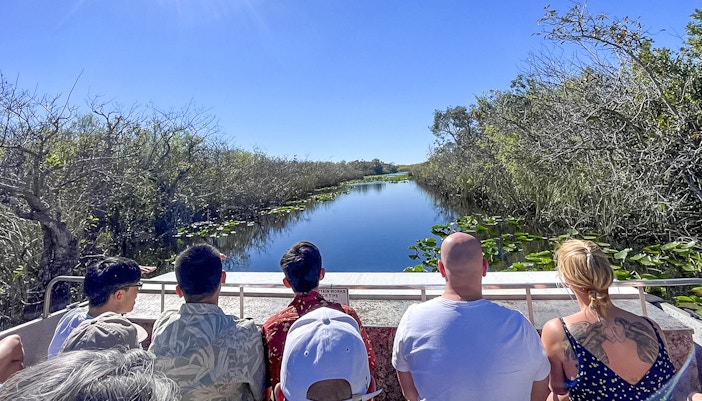
Sawgrass-lined waterway under blue sky in Everglades, reflecting clouds.

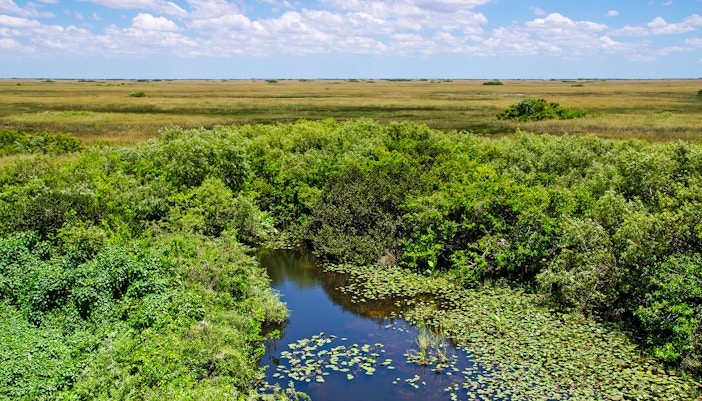
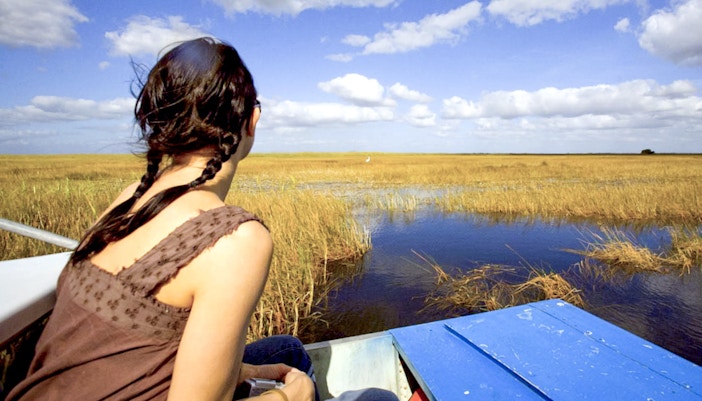
Sawgrass horizons

Wide, golden marsh plains that catch the light and show just how vast the River of Grass really is.

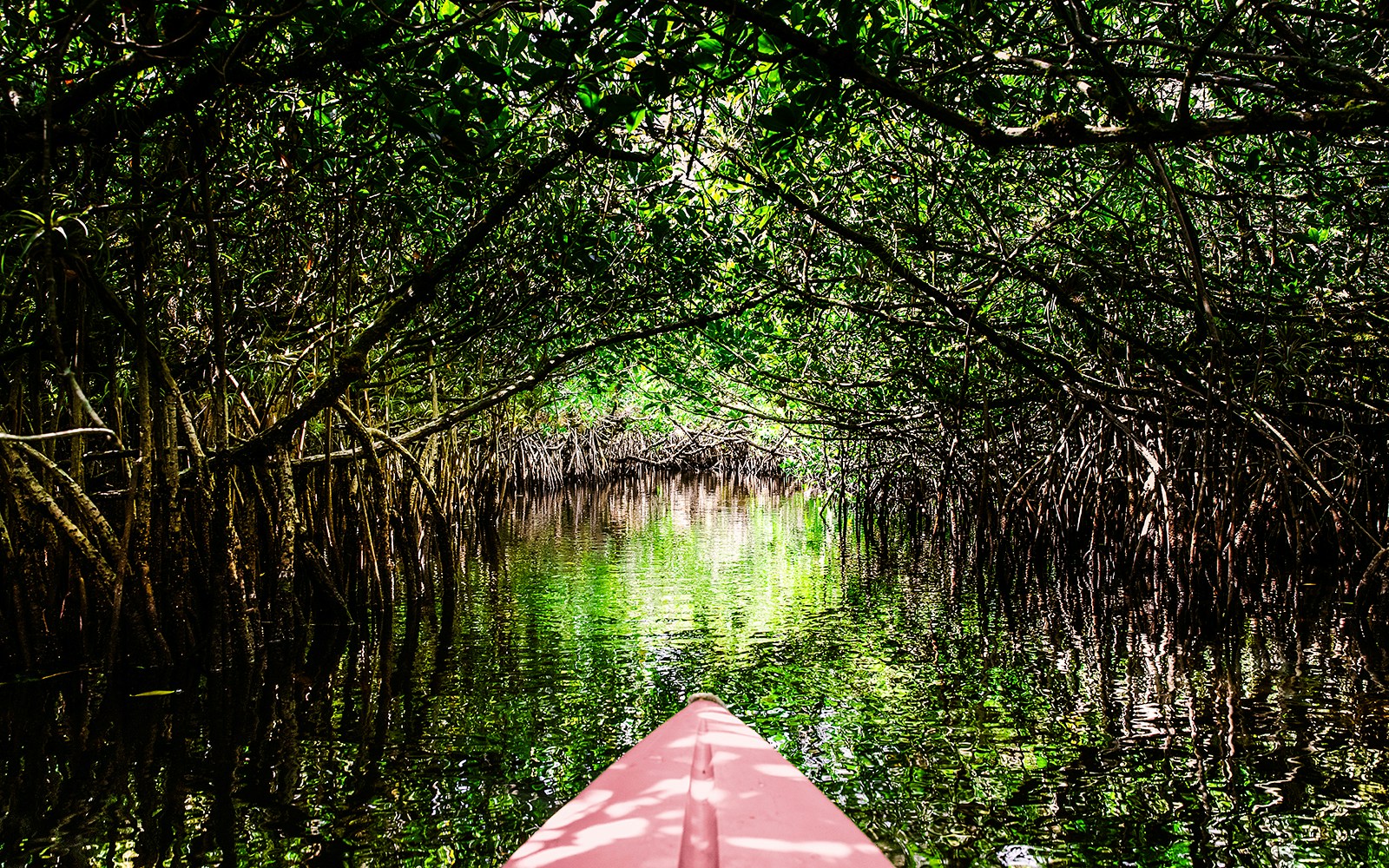
Kayak navigating through mangrove passages in the Everglades.
Cypress domes reflected in calm water, Everglades National Park.
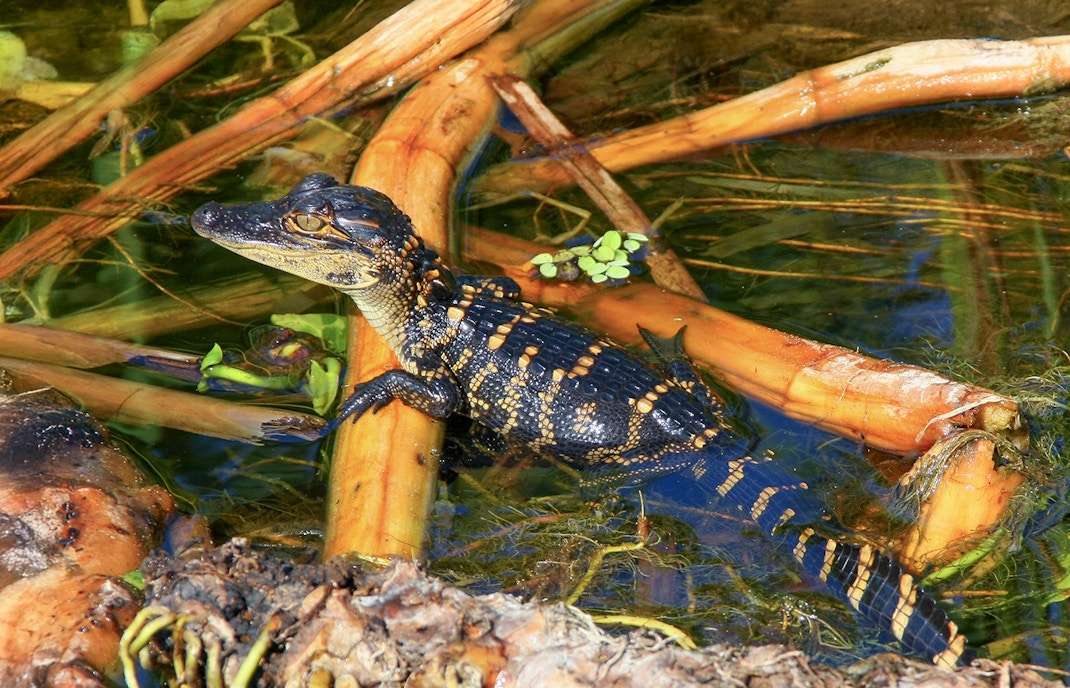
Alligators resting by the water in the Florida Everglades during an airboat tour.
Roseate spoonbill wading in Everglades water with wings spread.

Frequently asked questions about the Everglades ecosystem

The Everglades is known for its slow-moving “River of Grass,” a freshwater system that flows south across a massive marsh landscape. This mix of marshes, mangroves, sloughs, and forests creates one of the most diverse wetlands in the world.

More reads

About the Everglades

Plan your visit

Everglades National Park