Everglades alligators: The freshwater giants of South Florida

The American alligator is one of the most famous animals in the Everglades, and spotting one in the wild is often a highlight of tours in the region. Whether you're joining an airboat tour or visiting popular areas like the Anhinga Trail or Shark Valley, you’ll often see alligators basking, swimming, or resting along the marsh edges.

Quick facts

  • Species: American alligator (Alligator mississippiensis)
  • Range: Southeastern US, especially Florida
  • Habitat: Freshwater marshes, ponds, sloughs, cypress forests
  • Population: Approx. 1.3 million in Florida
  • Lifespan: 35–50 years in the wild
  • Diet: Fish, birds, turtles, mammals
  • Status: Federally protected; listed as “Least Concern”
  • Best viewing: Dry season (Dec–Apr)

Where are alligators found?

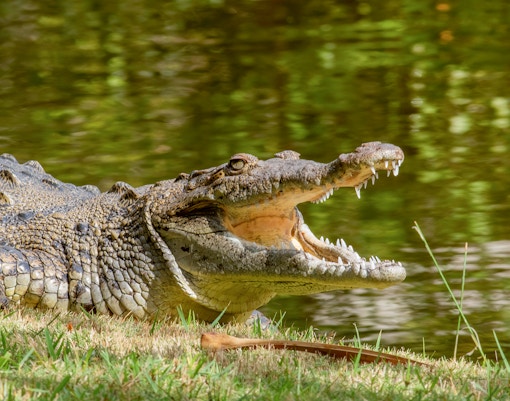
Alligator resting on grass beside water in Everglades National Park.

Alligators are found throughout the freshwater zones of Everglades National Park, but some areas are especially reliable for sightings.

They gather most often in Shark Valley, where the 15-mile loop road runs alongside canals and sloughs that stay wet year-round.

The Anhinga Trail near Royal Palm is another top viewing spot, thanks to its shallow marshes, sunning platforms, and high density of wildlife.

You’ll also find them in the freshwater sloughs of the central Everglades, especially the Shark River Slough, the park’s main “river” of slow-moving water.

Habitats Everglades alligators call home

Alligators thrive in freshwater environments such as:

  • Freshwater marshes with dense sawgrass
  • Cypress domes that offer shade and deeper water pockets
  • Sloughs, which hold water even in the dry months
  • Freshwater ponds, common nesting locations

Seasonal water levels influence where alligators gather, but they consistently choose areas with calm water, warmth, and an available food supply.

Why alligators are essential to the Everglades ecosystem

Alligator in grass during Everglades Airboat Tour.

Alligators are considered a keystone species in the Everglades. Their ability to dig and maintain “alligator holes”, deeper pockets that retain water during the dry season, provides critical habitat for fish, amphibians, turtles, and wading birds.

These water-filled depressions support biodiversity when much of the landscape dries out, making alligators essential for the survival of other species. Their role reflects the overall health of the Everglades’ freshwater ecosystems.

Discover the world alligators help create

Wild facts about Everglades alligators

Adult alligator resting on a log in a river, surrounded by lush greenery.

American alligators often live 35–50 years in the wild, with some reaching even older ages in managed care.

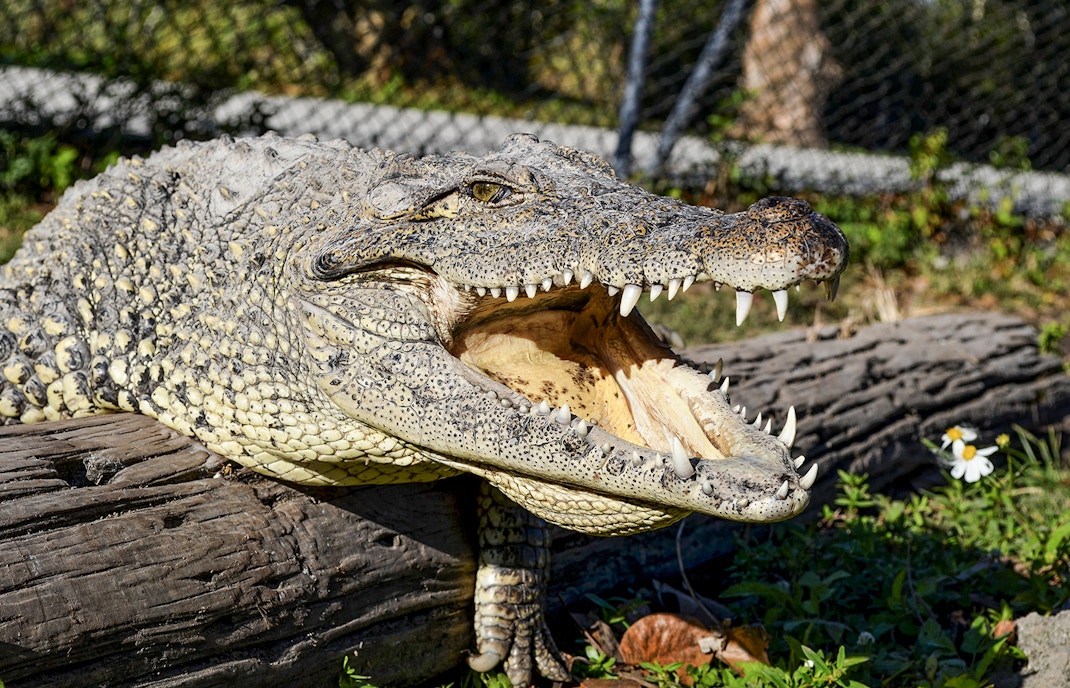
Crocodile with open mouth by the water at Gatorland.

They have one of the strongest bite forces (2,125 PSI) measured in any living animal.

Alligator partially submerged in Everglades water.

When resting, alligators can stay underwater for up to two hours, using slow heart rates and low energy to conserve oxygen.

Alligator with open mouth in Everglades National Park.

They swallow food whole or tear pieces apart because their jaws are designed for gripping, not chewing.

Baby alligators resting on a log in the Everglades.

Juvenile alligators are heavily preyed upon by wading birds, raccoons, fish, and larger alligators, so only a small percentage reach adulthood.

Baby alligator hatchlings emerging from eggs in Everglades.

Female alligators build mounded nests and guard their eggs and hatchlings for weeks, making them among the most protective reptile parents in North America.

How to spot alligators safely

Seeing alligators is exciting, but safety guidelines are important:

  • Keep 15–20 feet (or more) between you and any alligator.
  • Never feed or approach wildlife. Feeding alligators is both dangerous and illegal.
  • Stay on marked trails, boardwalks, and observation platforms.
  • On guided airboat tours, follow all safety instructions.
  • Alligators generally avoid human interaction, and giving them space ensures safe viewing.

Best time to see alligators

Dry season (December–April)

Sightings are most frequent during the dry season, when water levels drop and wildlife congregates in remaining sloughs and deeper marshes.

Wet season (May–November)

As water spreads across the landscape, alligators disperse more widely. They are still visible but often deeper in the marsh or near shaded edges.

Alligator vs. Crocodile: Know the difference

ReptileScientific nameWhere they live in the EvergladesWater preferenceAppearanceTeeth visibilitySizeTemperamentConservation statusTypical dietBest place to see them

American Alligator

Alligator mississippiensis

Abundant in freshwater areas: Shark Valley, Anhinga Trail, Shark River Slough, cypress domes, marshes, ponds, and canals

Almost exclusively freshwater; cannot tolerate high salinity for long periods

Dark gray to nearly black; broad, U-shaped snout

Upper jaw overlaps lower jaw, so lower teeth are mostly hidden when the mouth is closed

Typically 10–15 feet for males; females are smaller

Generally more tolerant of human presence but still dangerous; prefers to avoid conflict

Recovered and no longer endangered; still legally protected

Fish, turtles, birds, small mammals, and occasionally carrion

Shark Valley and Anhinga Trail

American Crocodile

Crocodylus acutus

Found in coastal and brackish zones: Flamingo, Florida Bay, mangrove estuaries, and the southernmost coastlines

Prefers brackish and saltwater; can tolerate and live in marine environments

Light olive or gray-green; long, narrow V-shaped snout

Teeth interlock; the large fourth lower tooth is visible even when the mouth is closed

Typically 8–14 feet; some males grow larger in coastal regions

More wary and reclusive; tends to avoid people and stays in remote coastal zones

Threatened in the United States due to limited range and smaller population

Fish, crustaceans, birds, small mammals, and marine species like mullet and crabs

Flamingo Visitor Center and coastal mangrove creeks

Frequently asked questions about Everglades alligators

Alligators are found throughout the freshwater areas of the Everglades, including marshes, sloughs, ponds, and cypress domes. Places like Shark Valley and the Anhinga Trail are especially known for reliable, safe sightings.

More reads

Everglades National Park

Airboat tours

Night tours